Tahatū career map, Mahere aramahi Tahatū
Updated 04 Mar 2026
The Tahatū career map supports career practitioners and educators to combine Tahatū Career Navigator and Inspiring the Future into their education plans and classroom activities.
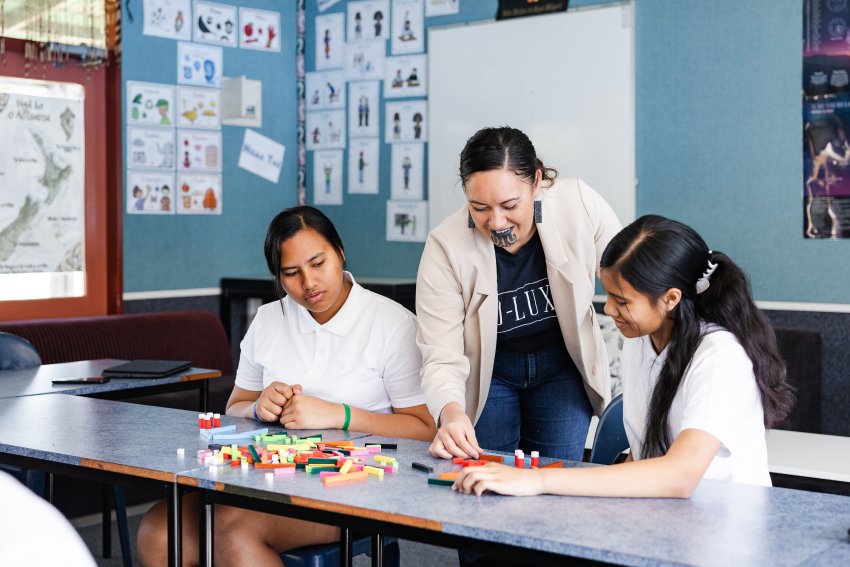
Supporting career explorationTe tautoko i te torotoro aramahi,
The Tahatū career map is a practical tool for career practitioners and educators. It groups relevant Tahatū Career Navigator resources and Inspiring the Future events and themes that could be useful for each year group.
The career map lines up with 3 core career competencies and maps to learning objectives, key skills and real-world experiences.
Three core career competencies:
- Self-awareness.
- Opportunity awareness.
- Decide and act.
You can download the Tahatū career map to see how to combine Tahatū and Inspiring the Future into your plans and activities.
Accompanying the Tahatū career map is the Tahatū career year planner. This planner helps you identify and develop a career education plan for Year 7-13, using the activities and resources in the Tahatū career map.
Career competency frameworkAnga matatau aramahi,
Self-awareness
Tahatū Career Navigator | Inspiring the Future events |
Get inspired Kia whakaohooho | Role model interactions that broaden horizons and challenge stereotypes |
Opportunity awareness
Tahatū Career Navigator | Inspiring the Future events |
Work Mahi, Study Ako and School Kura | Role model interactions linking subject learning to the world of work |
Decide and act
Tahatū Career Navigator | Inspiring the Future events |
Plan your future Whakamahere ā mua | Role model interactions offering insights into industries and pathways |
Helping students make informed career decisionsTe āwhina ākonga ki te whakatau aramahi i runga i te mōhio,
Students who explore, experience and think about their futures in work during secondary school are more likely to have better employment outcomes (OECD 2020).
Research from the Tertiary Education Commission (2022) highlights that young people need 4 types of information to make informed decisions when transitioning from secondary school. Without access to all 4, learners risk missing opportunities and being affected by systemic biases.
Transitions from school insights report
Tahatū Career Navigator and Inspiring the Future events provide access to these essential types of information.
Types of information | What that looks like for students |
Orienting information Helps learners understand themselves – their values, interests, skills and needs as a foundation for career exploration. | Students gain insight into their values, interests, skills and personal needs, forming a base for future career exploration. |
Tailoring information Broadens awareness of diverse pathways and highlights options that align with the learner’s self-knowledge. | A range of career options and educational pathways are explored, with specific emphasis on choices that match the learner’s values, skills and interests. |
Deep information Offers detailed insights into specific careers, including tasks, job outlook, work conditions, salary and lifestyle. | Students find specific details about daily tasks, long-term job outlook, labour market information, work conditions, salary expectations and work-life balance, including flexibility and demands. |
Logical information Provides practical steps to pursue a chosen pathway – entry requirements, costs, duration, location and financial support. | Information about what a learner would require for their chosen pathway, including requirements for qualifications, cost of study or training, location and duration of study and available financial support. |
Using the Tahatū career mapTe whakamahi i te mahere aramahi Tahatū,
Tahatū resources can be used on their own as stand-alone activities or as part of a school or organisation career programme.
This framework suggests using Inspiring the Future event formats in a linear fashion. However, you know your students best and can adapt the formats to suit their needs.
To support Inspiring the Future, the Tahatū tools and resources can be incorporated before or after an event. For example:
Prior to an Inspiring the Future event | Tahatū activity guide 2 Get inspired
|
At the Inspiring the Future event | Choose an event with role models suitable for your class to broaden horizons and challenge stereotypes. |
After the Inspiring the Future event | Tahatū activity guide 5 Work
|
About Inspiring the FutureMō Inspiring the Future,
Inspiring the Future is a free programme that connects young people with role models from the world of work, broadening their horizons and challenging career stereotypes.
There are 4 flexible event formats to meet the career needs of students as they progress through school. These can blend with any career education programme in your school.
Why Inspiring the FutureHe aha te take o te Inspiring the Future?,
Introducing students to the world of work connects classroom learning to real-life careers. Local and international research shows:
- Students in New Zealand have narrow career aspirations, limited by unconscious bias.
- Engagement with role models is an equitable and effective way to broaden young people’s career aspirations and challenge stereotypes.
- Career talks give students authentic insights into real jobs. OECD research (2023) shows 70% of students who participate better understand how what they learn in school connects to future careers.
- Young people who engage in 3 or more career talks are up to 20% less likely to be NEET (not in employment, education or training) and can earn up to 17% higher wages in adulthood.
- Hearing from real workers inspires students to aim higher and helps them see the relevance of education, driving stronger attendance and engagement in learning.
Event formatsNgā momo hui,
You can use 1 or more Inspiring the Future event formats to target different stages of career management competencies.
- Inspiring the Future event – panel sessions where students try to guess panellists’ jobs, followed by in-depth discussions in smaller groups.
- Career chats – feature one or more volunteers sharing their career journey followed by a student Q&A, held in person or online. They’re easy to integrate into subject classes and recommended across all year levels. These chats are especially valuable for rural or small schools, where even a single role model can make a big impact.
- Discussion groups – groups of students rotate around a number of role models, spending a certain amount of time with each, hearing about their job and asking questions.
- Interview role models – students interview role models about their career.
Recommended themesNgā kaupapa tūtohu,
Inspiring the Future events can also be themed based on students’ age and learning needs. For example:
- Broadening horizons and challenging stereotypes.
- Subject-specific, a powerful way to integrate career learning into the curriculum. These sessions invite role models who can showcase how classroom concepts are applied in the real world.
- Sector specific, such as exploring technology or tourism careers.
- Pathway themed, such as apprenticeship pathways.
Some event formats and themes can support multiple competencies. For example:
- An Inspiring the Future event that broadens horizons and challenges stereotypes can cover all stages of career competencies for Year 9-10 students.
- A pathway-themed discussion groups event can support the exploring, deciding, and acting stages for Year 11 students.
Running an eventTe whakahaere hui,
Inspiring the Future is freely available to schools and people who support schools or other groups of young people.
All the resources you need to run an event are provided, as well as email and phone support.